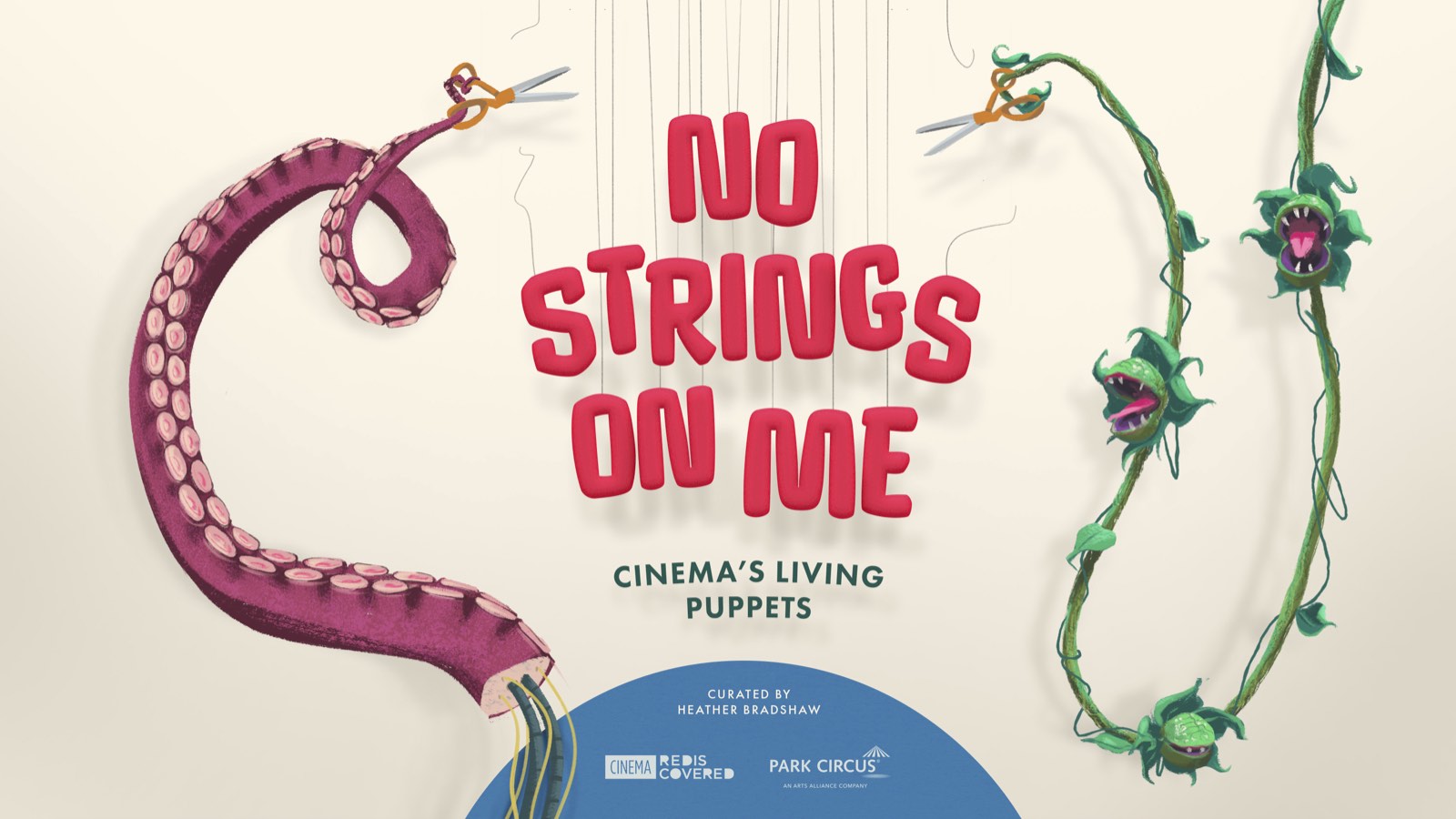
In July 2025, Park Circus and Cinema Rediscovered teamed up once again for the second annual Pitch to Park Circus competition, which invited UK-based curators to pitch a 4-5 title repertory season idea curated from the Park Circus library. The selection was based on the following criteria: Quality of The Idea, Originality, and Audience Potential (with rights clearances an additional factor). Following an in-person presentation to an industry panel at Watershed for Cinema Rediscovered 2025, winner Heather Bradshaw's curated season No Strings On Me: Cinema's Living Puppets – inspired by and celebrating the unique charm and history of puppetry in cinema – is now available for theatrical bookings via Park Circus.
The following programme notes (also available for exhibitors and audiences in PDF) explore contextualise the titles featured in No Strings On Me: CInema's Living Puppets. Words by Heather Bradshaw.
Taking from the rich lineage of its cinematic heritage, No Strings On Me: Cinema’s Living Puppets is a programme that celebrates the craft of practical puppetry and the iconic, handmade characters of pre-CGI cinema. Featuring well-known classics alongside hidden gems, each film offers an insight into an industry before the digital age of the creature feature, with the magic of their monsters a living, breathing amalgamation of tangible mastery.
In its very beginnings, animation and puppetry sat at the heart of cinema’s creative growth and newly ignited sense of experimentation. Before digital trickery and green screens, filmmakers relied on the material illusions of string, shadow, and paper to conjure worlds and creatures beyond reality. These early iterations of puppet animation were the genesis of what we now call ‘special effects’, which were heavily influenced by the stage traditions of wooden marionettes and shadow puppetry.
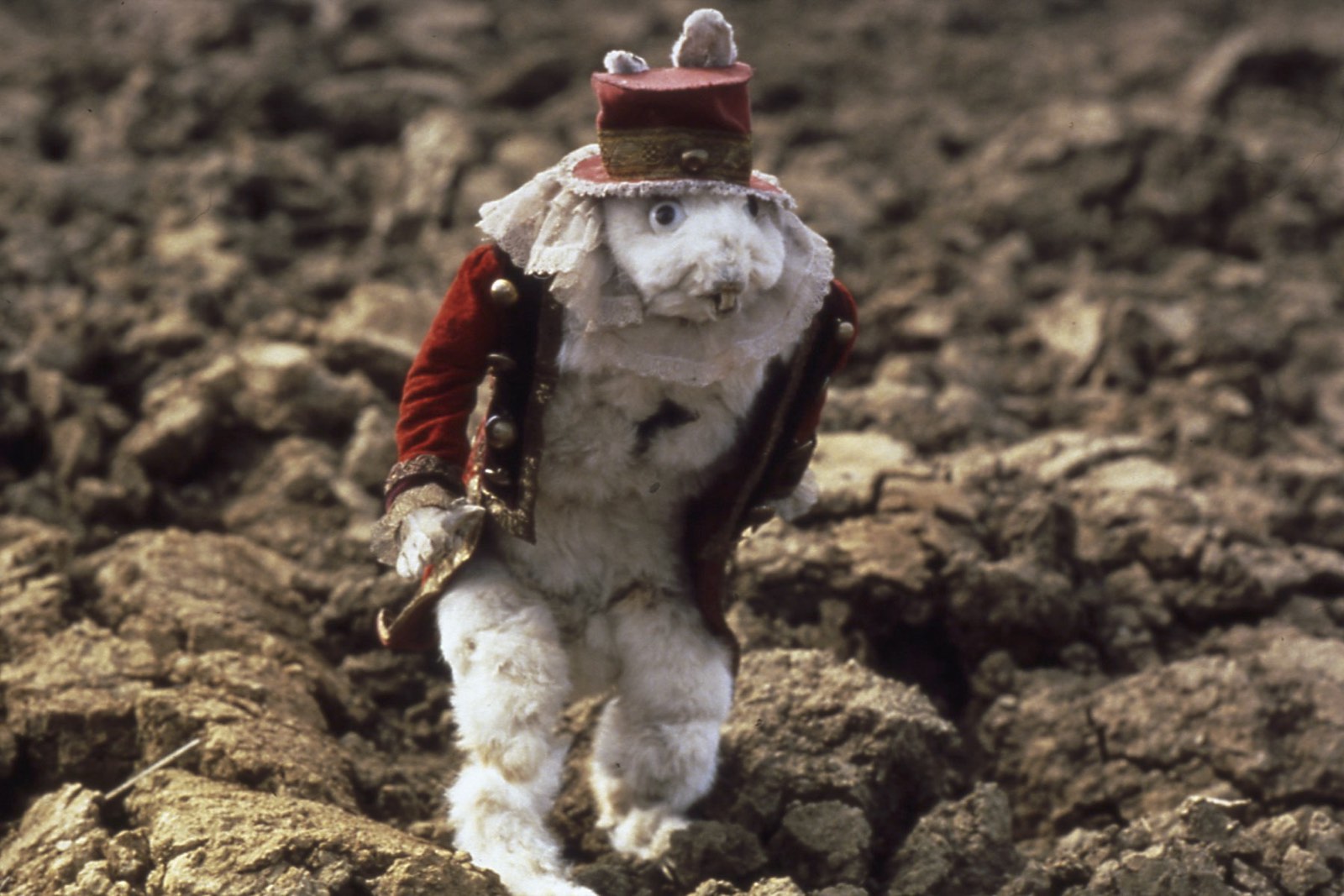
Credit: Alice (1988). Image courtesy of Channel 4
It was only a matter of time before these methods found their way to the big screen and as animation became more popular, the medium allowed for bigger and more ambitious storytelling. Marionette puppetry on screen began largely in Eastern Europe, particularly Russia and Czechoslovakia, where the medium developed on a rapid scale between the 1910s and 1930s. It is still now regarded as a highly respected traditional art form in the region and is rooted in folklore, political tensions and national identity. In the Golden Age of cinema, Czech animation pioneers such as Jirí Trnka, Karel Zeman, and Hermína Týrlová transformed the medium into poetic and surrealist subversions of classic cinema. Their innovative work – alongside the emergence of television – helped introduce puppet animation to a wider, international audience and influence its popularity.
By the 1960’s, puppetry on screen had gained two of its most significant figures and advocates, in that of Jan Svankmajer and Jim Henson. Whilst Henson revolutionised screen puppetry with the warmth, humour, and technical mastery of children’s TV shows like Sesame Street and The Muppet Show, Svankmajer embraced textural modernism, offbeat tones, and the uncanny to create darker cinematic territory for adult audiences. Together, they demonstrate the extraordinary range of puppet animation and its ability to both disturb and delight, as a medium which proves that animation is not just for kids.
Their work paved the way for the evolution of puppetry as a basis for special effects in cinema, where now, even in a world dominated by CGI, audiences remain drawn to the physical presence of practical effects and their strange tangibility. There is a distinct weight and tactility to both puppetry and stop-motion animation which digital effects struggle to emanate, proven by the legacy of Henson, Svankmajer, and cinema’s living puppets.
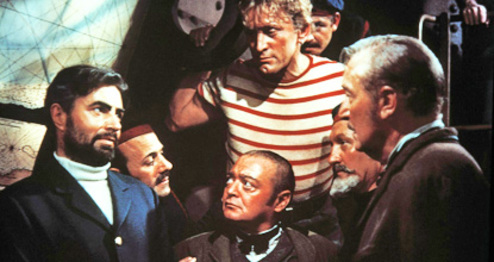
Long before the Muppets were on the scene, Disney’s 20,000 Leagues Under The Sea, directed by Richard Fleischer, used puppetry to create the film’s wondrous yet dangerous underwater world. Though often invisible, the use of puppets plays a crucial role in the film’s many practical effects, which merged life-sized puppets, miniature props, and forced perspective techniques with live-action sequences. This hybrid approach to filmmaking influenced many later effects-driven films, with particular dues given to the film’s iconic giant squid attack. This famed sequence was originally filmed at ‘sunset’, but in the pre-CGI era before digital remastering, the well-lit studio quickly exposed the visual limitations of the squid puppet. The scene was ultimately reshot ‘at night’ in a darkened studio, under the guise of a stormy sea, where shadows helped to conceal the magic of the monstrous sea creature.
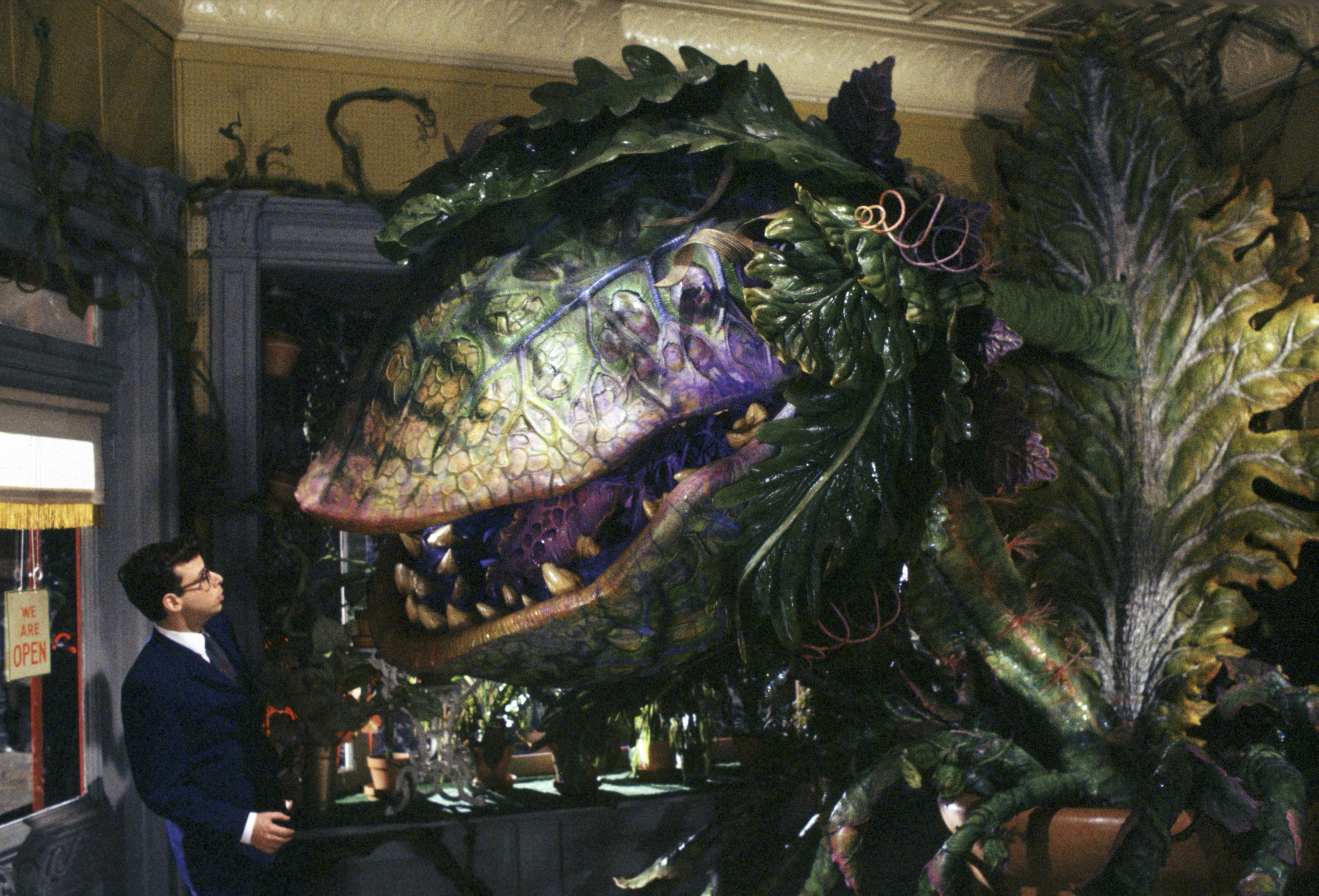
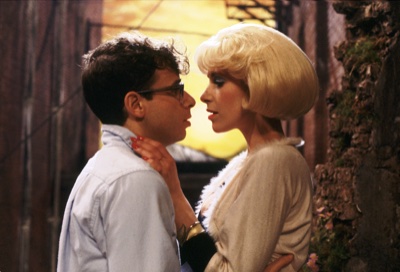
Credit: Little Shop of Horrors (1986). Image courtesy of Warner Bros. Pictures
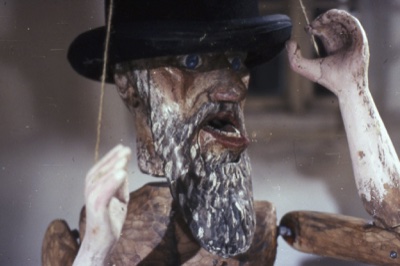
Jan Svankmajer’s 1988 film Alice is another subversive adaptation in children’s cinema history, standing as a testament to puppetry’s natural affiliation with the strange and uncanny. Svankmajer’s ‘Wonderland’ is in opposition to other, softer depictions of Carroll’s fantasy world, using puppetry as a means to dominate the reality of live-action that surrounds it. The film’s interaction between the real-world and puppet-world is generally jarring, but one which creates a uniquely unsettling realm through which to explore the story’s dark subtext, as well as framing Svankmajer’s incredible eye for animated texture and detail.
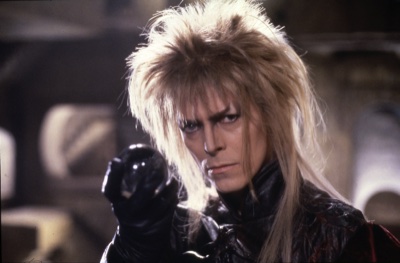
Depicting an equally oddball fantasy world, designed in collaboration with renowned illustrator Brian Froud, Jim Henson’s Labyrinth is yet another notable feat in cinema’s puppetry past. The film contributes an ambitious and trailblazing use of puppetry in mainstream cinema, where rather than viewing puppets as subordinate effects, its world is built entirely around them. As such, the emotional integrity of Labyrinth’s many beloved characters sees them as central to the storytelling, with nearly every non-human character in the film ranging from handheld puppets to full body animatronics. In particular, Hoggle is considered the film’s standout achievement in technical puppetry, as a fully animatronic creature with many puppeteers at the helm, featuring nuanced blinking and frowning facial expressions commanded by remote control.
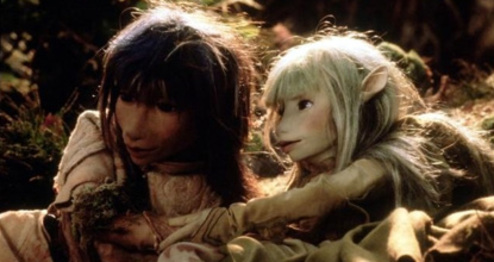
Pre-Labyrinth, Henson and Froud worked together on the lesser-known cult classic The Dark Crystal, co-directed by Frank Oz, significant for its self-contained world-building, own invented language, and being the first live-action film without a single human being on screen. In a world where puppets take centre stage, The Dark Crystal gave space for the complexity its characters emotional depth — a far cry from the comic and often child-friendly context of puppetry’s artistic history. Alongside its technological achievements, Henson’s first feature post-Muppets was a pioneering feat in puppet characterisation, where human-sized constructed sets and meticulously choreographed performances allowed its characters to fully command their audience, proving that puppets could carry complex narratives and sustain emotional weight on the big screen.
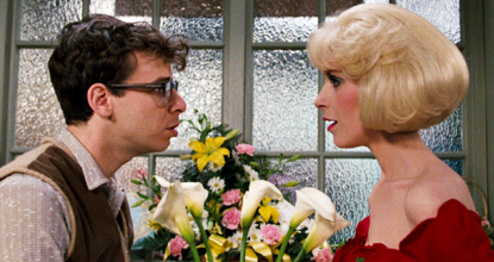
In 1986, as Henson went on to make Labyrinth, so too did Oz return to the world of cinematic puppetry, in his third feature film Little Shop of Horrors. Based on the stage musical of the same name, Oz wanted his feature to preserve the horrific wonder of the Audrey II stage puppet, but struggled to capture convincing movements in his early cuts. To rectify this, Oz shot numerous sequences at a slower frame rate, to then be sped up in post. Though this made Audrey II appear to sing with lifelike precision, it also required actors like Rick Moranis and Ellen Greene to enact their lip syncs in slow motion, in order to match the puppet’s performance. Here, rather than special effects bending to human error, it was the actors who bent to the will of their puppet co-stars—a testament to the enduring and very real impact of puppet animation on Hollywood’s creative methodologies.
Heather Bradshaw is a film curator and critic based in London, specialising in animation, folklore, puppetry on screen, and feminist cinema. She currently programmes for the Independent Cinema Office, Glasgow Film Festival, the World Animation Competition for Leeds International Film Festival, and is a long-serving member of the Glasgow Short Film Festival competition programming team.
Note that inclusion of a title within this collection does not guarantee rights or print availability for a specific territory.