
During these trying and uncertain times, we hope to be able to spread a little bit of love and movie magic by showcasing some of the wonderful exhibitors that we work with.
Butheina Kazim of Dubai's Cinema Akil talks about the eternal power of film to connect and inspire, the magical films which Dubai audiences are enjoying back on the big screen, and more.
Tell us a little more about you and your cinema.
I’m the founder of Cinema Akil, the first and only arthouse in the GCC region based in Dubai, United Arab Emirates and member of the Network of Arab Alternative screens. We started in July 2014 as a nomadic cinema, programming pop-up cinemas in Dubai, Sharjah and Abu Dhabi programming independent, alternative, experimental and repertory films with a special focus and interest in films from the Global South.
In September, we opened doors to our brick and mortar space in partnership with Alserkal Avenue. It is a 133-seater single screen (pre-COVID19) cinema located in the Al Quoz industrial area in Dubai. In the space we have held exclusive theatrical releases of hundreds of films and maintain a slate of repertory programming.
Can you tell us your earliest cinematic memory?
My most cherished memories of the cinema going experience happened in the now disappeared standalone cinemas in Dubai; key amongst them was Al Nasr cinema. It was an ugly-beautiful two-story cinema adjacent to a football stadium. It smelled like samosas, popcorn and chai and had a massive marquee that wrapped around the protruding façade perched below its Arabic and English neon signage.
In it, as a good Dubai kid, I got my mandatory doses of Bollywood and Hollywood productions. Strangely one of clearest films I remember from that cinema is Waterworld. Al Nasr mysteriously burnt down in the early 2000s and along with it memories and first loves of Dubai. There are no standalone cinemas in Dubai anymore. I suppose that’s very fitting for Dubai; a nostalgia seeped in transience.
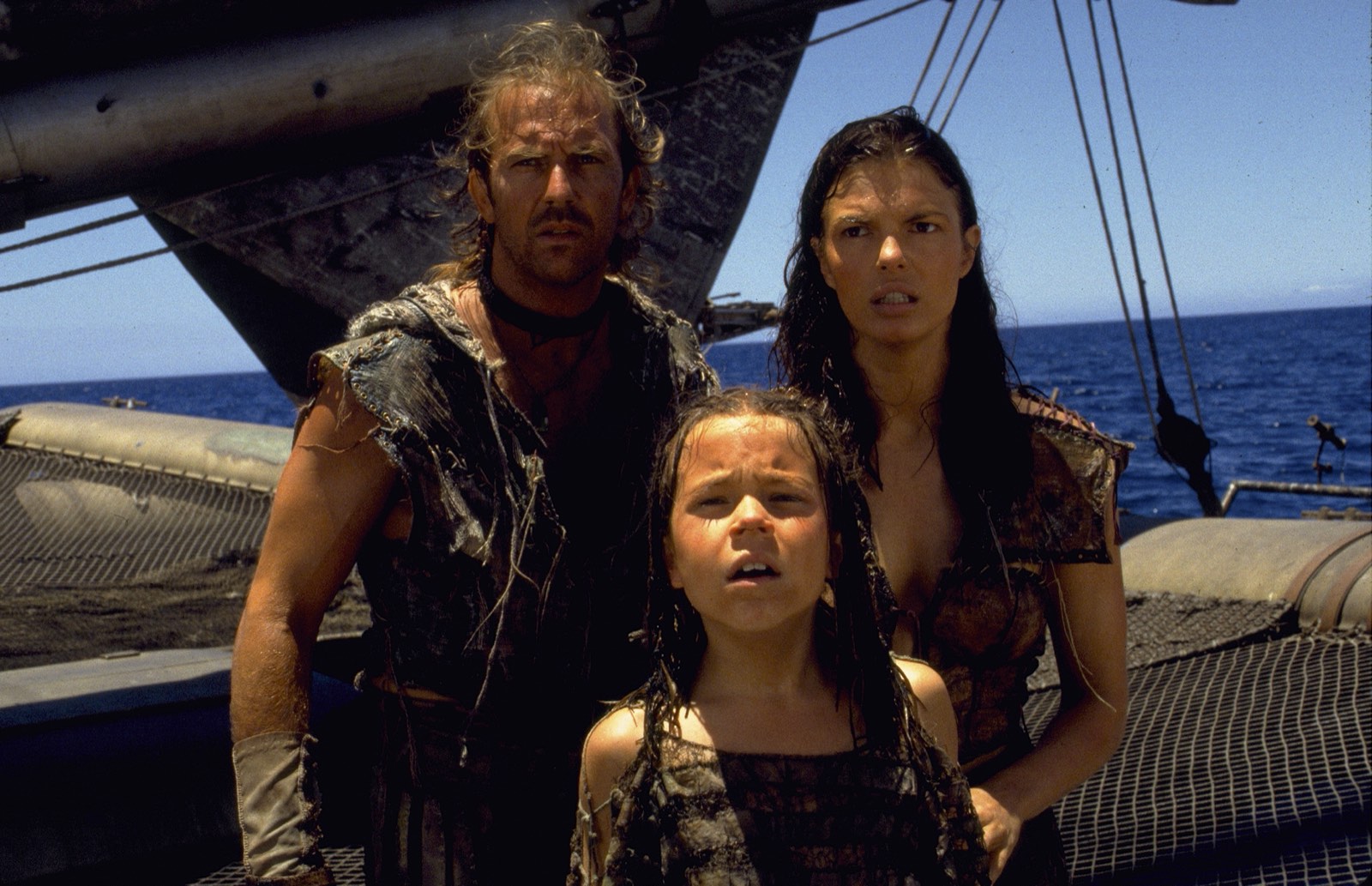
Waterworld (1995)
How did you first get into film programming and exhibition? What have you learned since?
I started film programming out of equal bouts of sheer frustration and an eagerness to share. Dubai was not a friendly city to the indies, the classics or anything outside of the commercial blockbuster circuit. We are located in one of the most diverse cities on the planet at the intersection of some of the most complex, exciting cinema industries in the world from South Asian independent cinema, to Iranian and Arab cinema. Yet, very little of that was being represented on the big screen outside of the (then) festival context.
So I started working directly in my personal capacity as a curator exhibiting films I thought should reach the audiences here at community spaces. One of the most exciting projects I worked on was with the Abu Dhabi Film Festival on a summer long series of screenings of their award-winning titles in Dubai. After a few other programmes, I decided Dubai needed a platform for year-long presentation and exhibition of film programming outside the commercial multiplex or festival circuit; and so the Cinema Akil journey began – first nomadically, then permanently, and now both.
Why do you think the big screen experience is so important for audiences?
Our slogan at Cinema Akil is 'Follow Us Into the Dark' – and it is about just that; following a bigger “us” collectively. En masse engaging and surrendering to the big screen together in shared darkness alone. There is nothing quite like it. The words of Djbril Mambety Diop have always rung true for me: “Cinema is magic in the service of dreams”.
During the lockdown we launched a virtual cine-club via Zoom where we invited people to join discussions about films that were available via streaming where participants would watch the chosen film and sign up to join the live discussion. It was my favourite thing about the lockdown – not only because it kept us connected to the community but also reinforced our belief that people will always congregate around film somehow and no matter the streaming options, we will always yearn to experience film on the big screen.
Films have always elevated me, they have bolstered me, and these days, they have rescued me from insomnia, myopia, and lack of perspective. They have rescued me from sadness, loneliness, and apathy. Joan Didion wrote, “We tell ourselves stories in order to live.” What about showing ourselves stories and seeing ourselves in them? That, for me, is living.
Tell us about how your cinema has reopened following these most turbulent of times for us all? What can audiences expect to enjoy!
Cinema Akil was founded on the principles of bringing communities together, and it was on that basis that we made the decision to shut our doors to protect that very community and do our part in keeping our team and audiences safe by social distancing. We made a bet on collective care, conscious practices in conducting business, and a solid community will always stand strong – despite the challenges this situation brings. Our philosophy for reopening was to ensure that we go above and beyond the regulatory framework by the authorities for cinema reopenings and ensure that we reopen the space when we are ready to safely put the team back in the space as well as the audiences. After weeks of hard work and preparation to put in the highest standards of prevention measures based on a harm reduction approach, we opened at 26% capacity of 133 seats.
Summers in Dubai are extremely hot and typically experience a high exodus of the population traveling abroad for the holidays, escaping the temperature. This year, this was not an option; so we created Cinema Akil Traveller – an homage to wanderlust inspired by travel through films made for the big screen. The program was consciously designed to uplift and transport, starting with 'The Journey to Italy' which features Fellini’s La Dolce Vita, La Grande Bellezza, Il Postino and Meditteraneo. No matter how many times these films have been seen, their magic never ceases to enchant.
The next chapter takes the audience to France with a four-film programme with Francois Truffault’s The 400 Blows, The Umbrellas of Cherbourg, Agnes Varda’s The Beaches of Agnes, and of course: Vigo’s L’Atalante.
The idea is to remind people why cinema is everlasting and an invitation to dream collectively and presently through these strange times. Our next stop is Germany, with the films to be revealed soon.
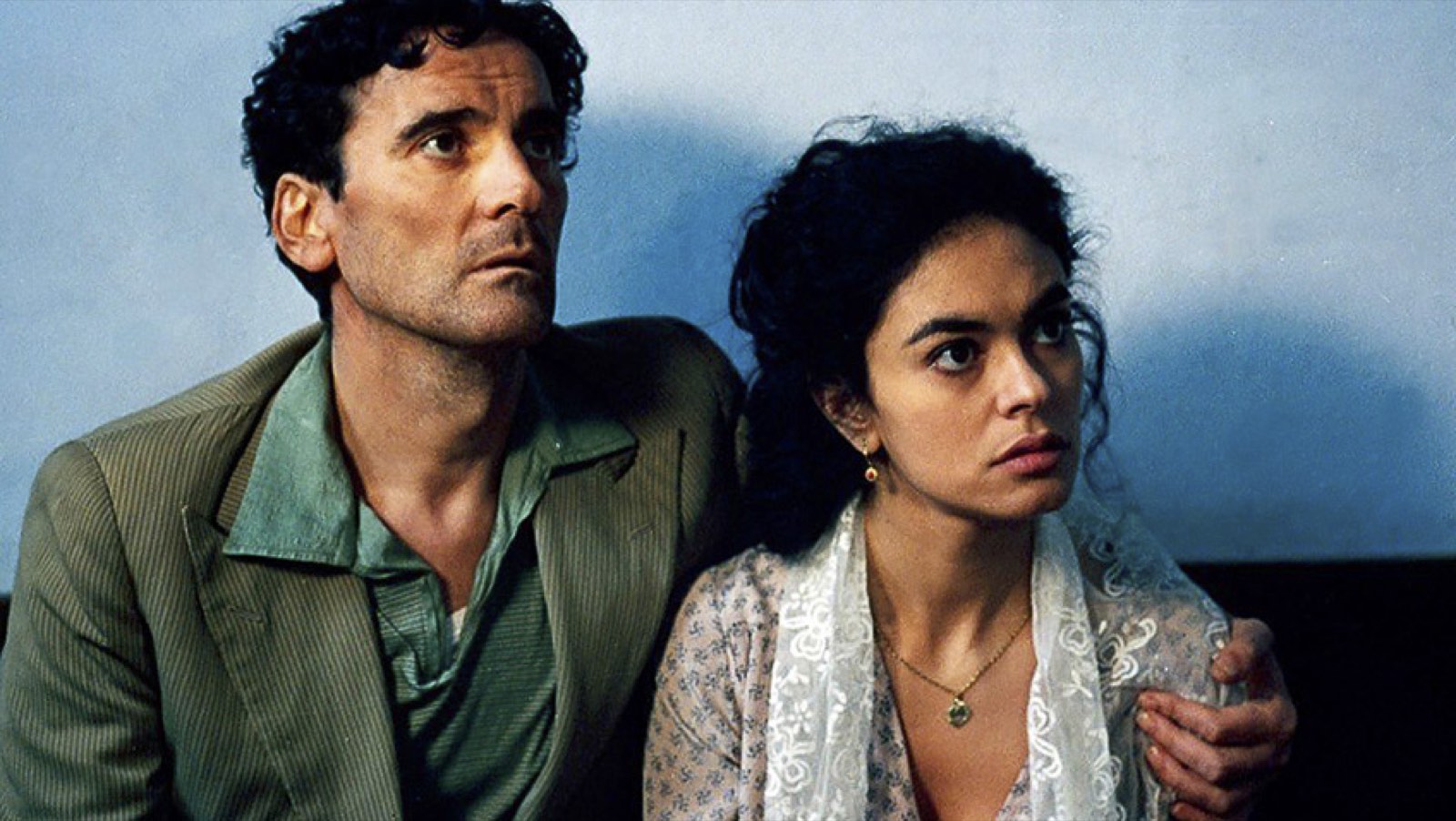
Il Postino (The Postman) (1995)
Image of Butheina Kazim courtesy of Nick Fancher